Iqtisodiyot
Concept of Joint Low-Carbon Energy Potential: New Opportunities for Central Asia
On October 8 of this year, the eighth Consultative Meeting of the Heads of State of Central Asia and Azerbaijan took place in the Avaza National Tourist Zone in Turkmenistan. During the summit, President of Uzbekistan Shavkat Mirziyoyev put forward an initiative to prepare a joint concept on low-carbon energy potential. This initiative is significant as it aims to rationally and efficiently utilize the existing energy resources of the region, develop renewable energy sources, and take intergovernmental cooperation in the energy sector to a new level.
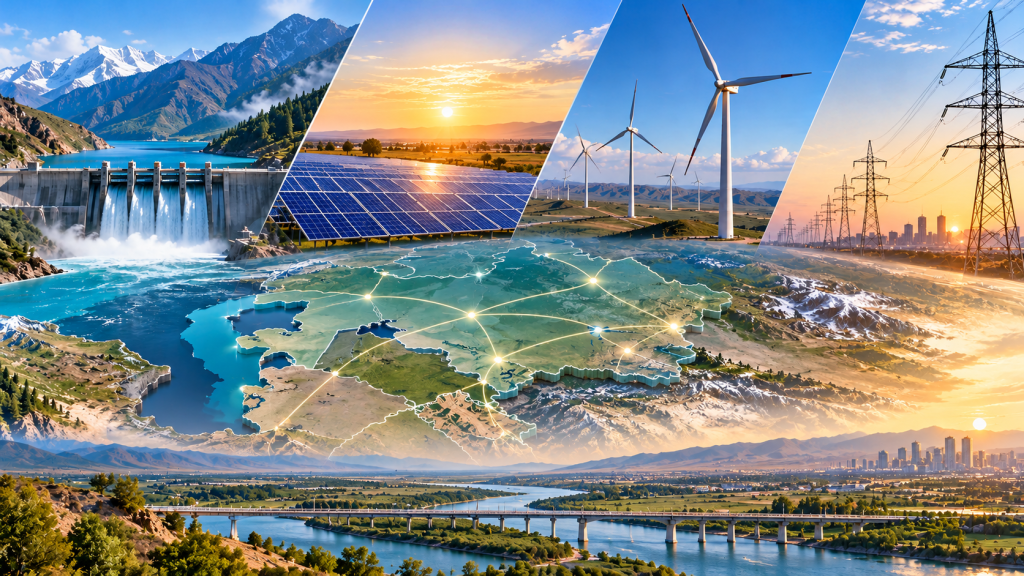
The integration of the vast potential of Central Asian countries and Azerbaijan in hydrocarbons, hydropower, solar, and wind energy will serve not only to strengthen regional energy security but also to implement new investment projects, form modern infrastructure, and expand access to external markets. What is the strategic significance of this initiative, and how will the joint concept affect the formation of a single energy space and the transition to a green economy?
According to Abbos Mashrapov, a researcher at the International Institute of Central Asia, the initiative is based on the need for a comprehensive approach to utilizing energy potential. President Shavkat Mirziyoyev emphasized that the diversity of resources allows the countries to complement one another. The proposed approach takes into account the uneven distribution of resources, which, with effective coordination, serves as a basis for national energy systems to complement each other.
For instance, about 80 percent of the region's hydro resources are concentrated in Kyrgyzstan and Tajikistan, while thermal energy production plays a major role in Kazakhstan, Turkmenistan, and Uzbekistan. At the same time, the regional energy landscape is gradually changing: Central Asian countries are increasing their renewable energy capacities, primarily solar and wind.
Cooperation with Azerbaijan creates additional opportunities for expanding regional ties. The special significance of the initiative lies in the strategic approach of the President of Uzbekistan toward forming a single energy space in Central Asia. Coordinating national priorities, developing interstate infrastructure, and joint planning will allow this potential to be realized in the interests of the entire region.
The practical significance of the initiative is defined by three interrelated aspects. First, it strengthens the interdependence of regional countries in the energy sector by coordinating generation plans and expanding electricity supplies. Second, it creates conditions for the accelerated development of low-carbon energy, including the integration of solar and wind capacities and modernization of infrastructure. Third, it opens up additional opportunities for developing joint investment projects and expanding Central Asia's external energy ties, strengthening its position in international cooperation.
Ulashish